
Retro Jerseys Are Back: Why 2026 Is the Year of the Throwback
Oilers blue, Cooperstown orange, Reverse Retro white — the fastest-growing category in sports apparel, explained and shopped.
Walk through any stadium concourse in 2026 and you'll see something that would have been unthinkable a decade ago: fans wearing jerseys from teams that no longer exist, in colors that were retired before they were born. The Titans are in Oilers blue. The Bruins are in yellow and brown. The Avalanche are wearing a jersey their 1995 selves would recognize. Retro isn't a niche anymore — it is the fastest-growing category in sports apparel.
Pro Kit Vault now carries more than 580 retro and throwback jerseys across five sports, and the sell-through patterns tell a clear story: heritage sells. Here's why 2026 is the year the throwback went mainstream, and which pieces are worth owning right now.
Three forces made retro the mainstream
The throwback wave didn't happen by accident. Three separate forces converged, and each one is still accelerating:
- The NFL unlocked its own vault. Once the league realized fans would buy Houston-era Oilers gear in volume, teams started treating their archives as active product lines. Throwbacks moved from one-off novelty weeks to regular alternates — which means you can actually wear them on Sundays without feeling like a museum piece.
- The NHL's Reverse Retro program industrialized nostalgia. By giving every single franchise a heritage remix, adidas turned retro into a yearly event with built-in scarcity: the designs rotate, so each run is effectively a limited edition.
- The 90s generation got buying power. The fans who grew up watching Oilers football, Griffey-era baseball, and 90s hockey now have adult budgets and adult nostalgia. They're buying back the jerseys they couldn't afford as kids — at 2026 prices, in better construction than the originals ever had.
The MLB Cooperstown Collection: the gold standard
Nike's Cooperstown Collection — named for the New York town that houses the Hall of Fame — is the benchmark for baseball throwbacks: Hall of Fame players in era-accurate uniforms, manufactured to modern specs. The part most buyers miss is that the collection rotates. Player and era combinations appear, sell, and don't come back. That's not marketing scarcity — it's how the license works.
Two pieces worth owning right now: Cal Ripken Jr.'s Orioles throwback, the jersey that puts 2,632 consecutive games on your back — baseball's most unbreakable record — and Barry Larkin's Reds throwback, a quieter pick that's harder to find and more interesting for it.
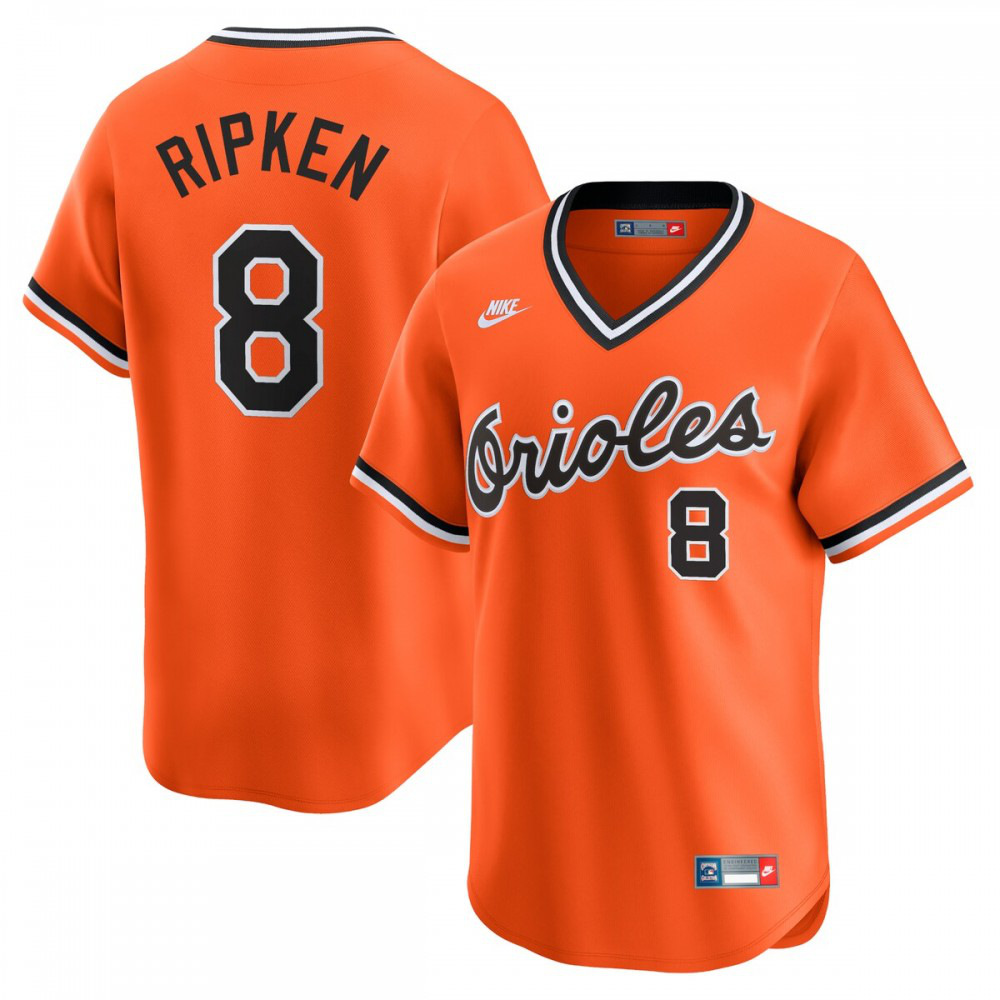
Cal Ripken Jr. Baltimore Orioles Throwback Cooperstown Limited Jersey - Orange
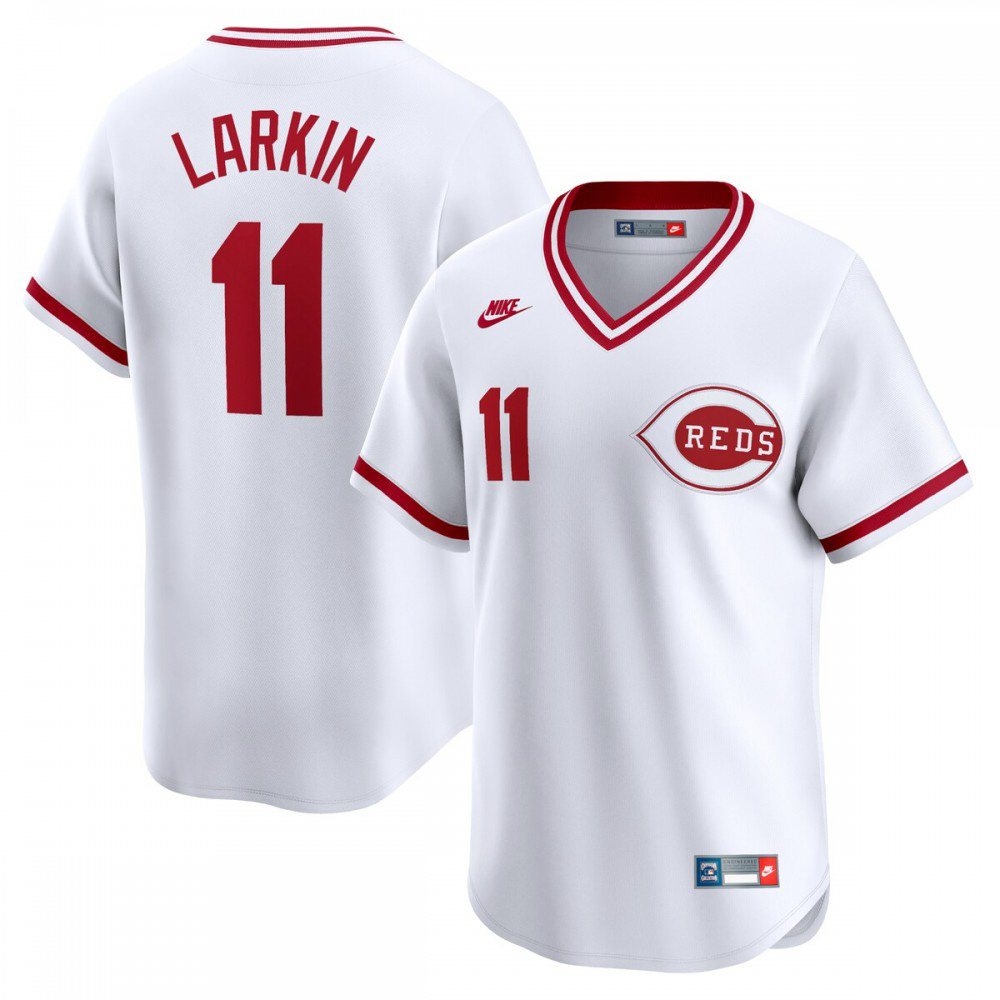
Barry Larkin Cincinnati Reds Throwback Cooperstown Limited Jersey - White
More Cooperstown-era pieces live in the MLB collection and the Reds team shop.
NFL throwbacks: when history becomes the present
The modern NFL throwback movement has a clear poster child: the Titans wearing the Oilers' Columbia blue as a regular alternate. Will Levis' Oilers Vapor F.U.S.E. Limited is a modern construction of a design that dates to the Houston era — stitched numbers, current-tier fabric, a jersey that turned "Oilers" from nostalgia into a merchandising movement.
The Seahawks' royal blue throwback is the other fan favorite: the 90s look that defined the franchise's early identity. And here's the move most fans haven't thought of — a custom throwback. Your own name and number in the 90s royal blue is the one retro jersey that can never go stale, at Game-tier pricing.
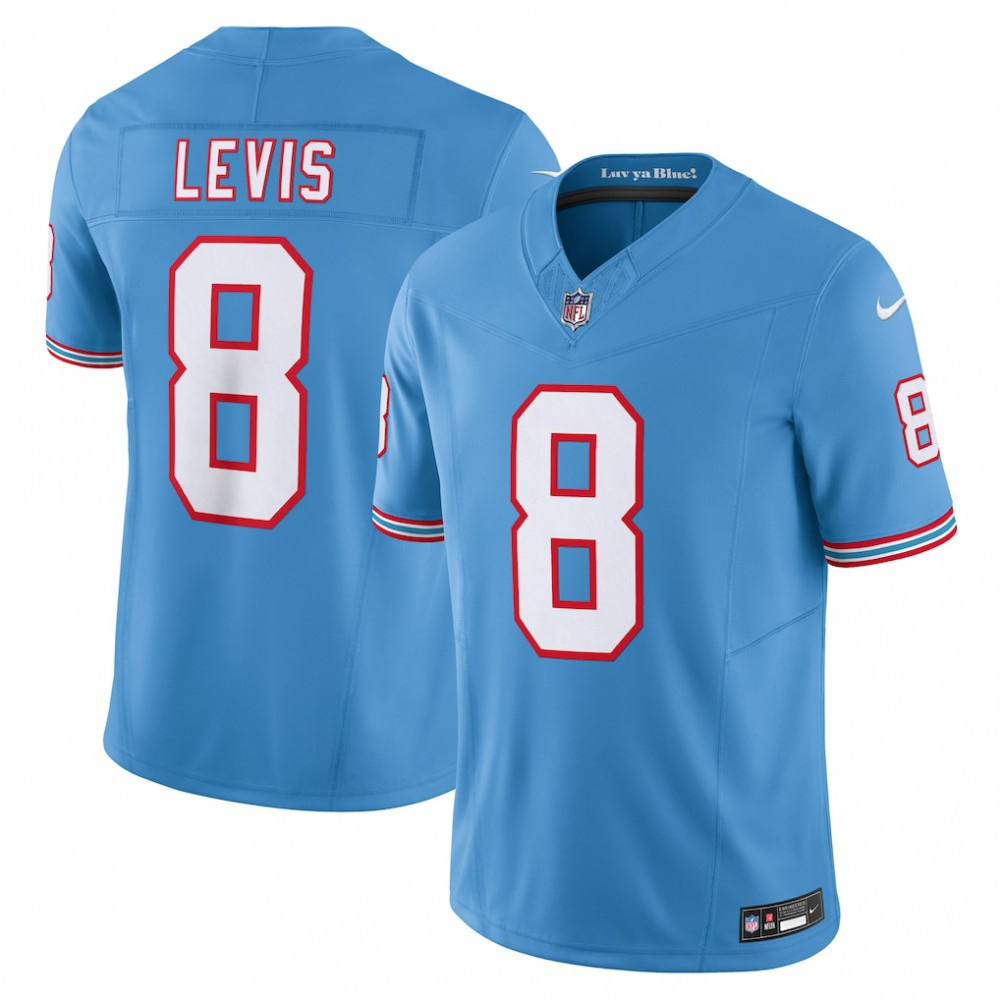
Will Levis Tennessee Titans Alternate Oilers Throwback Vapor F.U.S.E. Limited Jersey - Light Blue
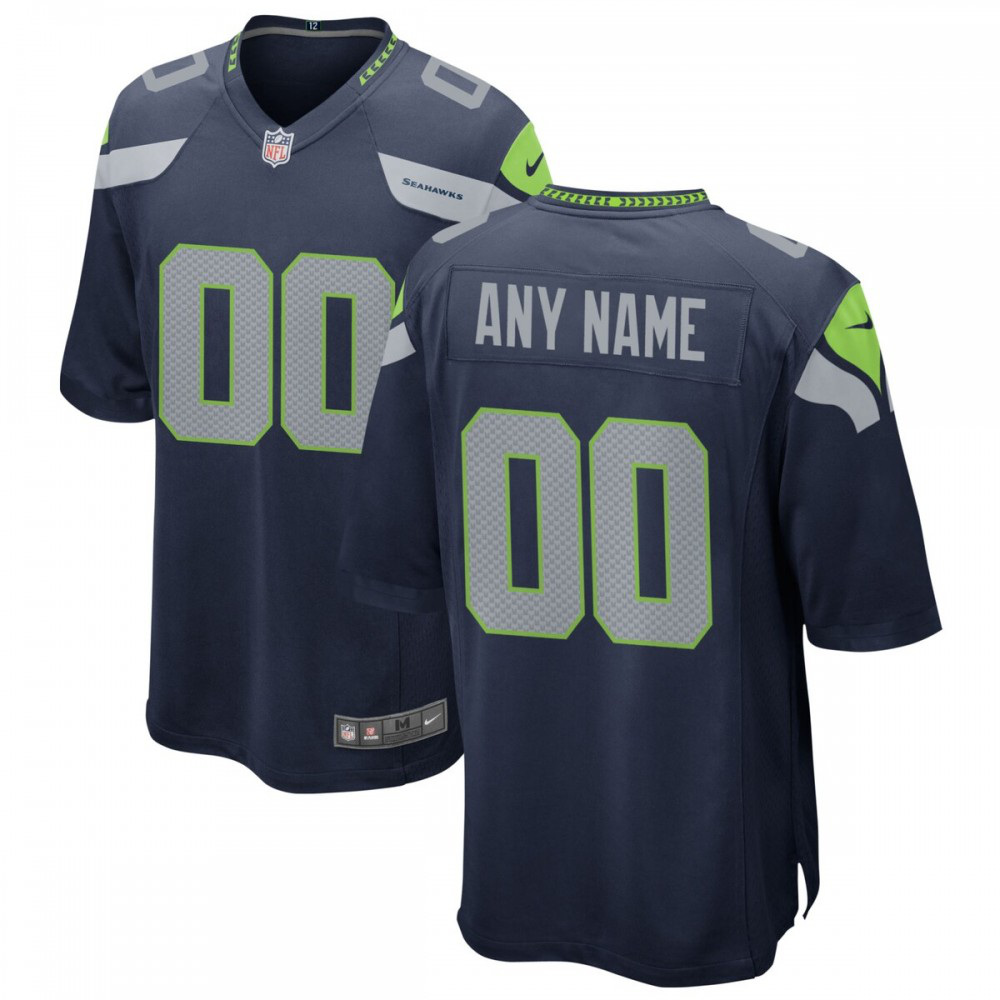
Seattle Seahawks Custom Game Jersey - College Navy
Browse the rest at the NFL collection, the Titans team shop, or the Seahawks team shop.
The NHL's Reverse Retro: nostalgia, industrialized
Baseball has Cooperstown and football has team archives; hockey has something smarter — a league-wide program that remixes every franchise's history at once. Cale Makar's Reverse Retro 2.0 Avalanche jersey is the program at its best: an Authentic-tier piece in white that pulls from Colorado's past without cosplaying it, and because the designs rotate, this specific run ends when the run ends.
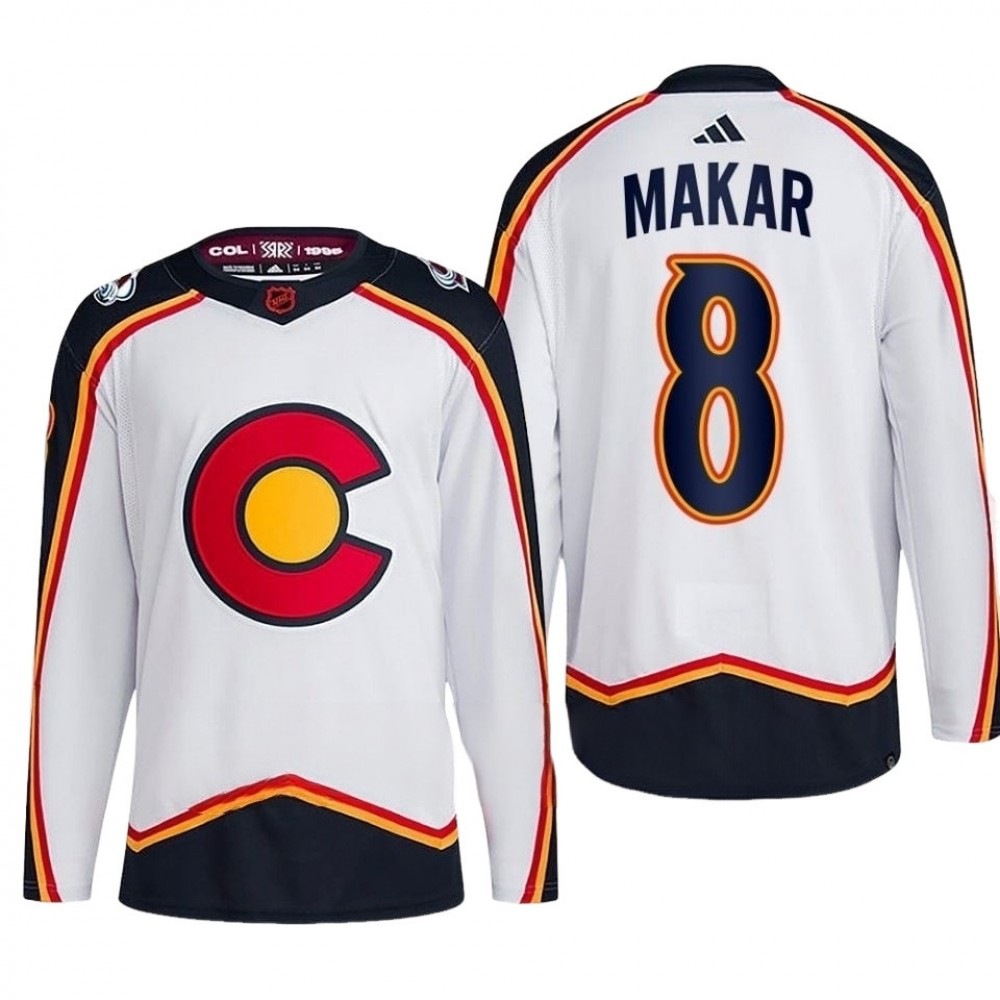
More heritage pieces in the NHL collection and the Avalanche team shop.
The collector's math: why retro doesn't expire
Here's the argument that converts skeptics. Every jersey purchase carries a risk that the jersey becomes wrong — the player leaves, the number changes, the design is replaced. Retro jerseys are structurally immune to two of the three:
| Risk | Current-star jersey | Retro jersey |
|---|---|---|
| Player gets traded / leaves | Jersey becomes a relic overnight | Not applicable — the player is history already |
| Team changes design / rebrand | Old design looks dated | Not applicable — dated is the point |
| Rotation / production run ends | Core jerseys restock for years | Runs end; the jersey becomes a limited edition |
Current jerseys say "I like this team." Throwbacks say "I know this team's history."
That's why a Ripken Cooperstown looks exactly as right in 2036 as it does today, and why a rotating Reverse Retro run behaves like a limited release. If you're building a collection rather than a wardrobe, retro is where the durability is.
Before you ask — the questions everyone has
What is the difference between a throwback and a retro jersey?
Are throwback jerseys authentic, licensed products?
Why do the Tennessee Titans wear Oilers colors?
Do retro jerseys hold their value better than current-player jerseys?
What is the NHL Reverse Retro program?
How should I care for an older-style throwback jersey?
Are throwback jerseys officially licensed or are they just remakes?
Which retro jerseys hold value best over time?
Pick your era
580+ retro and throwback jerseys across five sports, every one of them licensed and era-accurate. The rotation never stops — today's Cooperstown run is tomorrow's limited edition. Use code THROWBACK26 for 10% off any retro piece.
MLB Throwbacks → NFL Throwbacks → NHL Reverse Retro →Part of the 2026 season series — see the Every Season Hub for the full league-by-league coverage.