
How to Spot a Fake Jersey in 2026: 12 Red Flags Every Fan Should Know
A $40 knockoff can look identical to a $150 Limited in a listing photo — 12 checks that take 30 seconds and separate real from fake every time.
The global counterfeit sports jersey market is estimated at over $3 billion a year, and the fakes have never been better. Improved printing means a $40 knockoff can look almost identical to a $150 Nike Limited in a listing photo — right up until you hold it. Then the differences arrive all at once: the fabric feels wrong, the stitching wanders, the tag frays after one wash.
This guide breaks down 12 red flags into three groups — what you can catch in the listing photo, what you can catch in hand, and what you can catch before you ever pay. Thirty seconds of checks, and a fake never makes it into your closet.
Group 1: catch it in the listing photo
Four red flags visible before you buy anything:
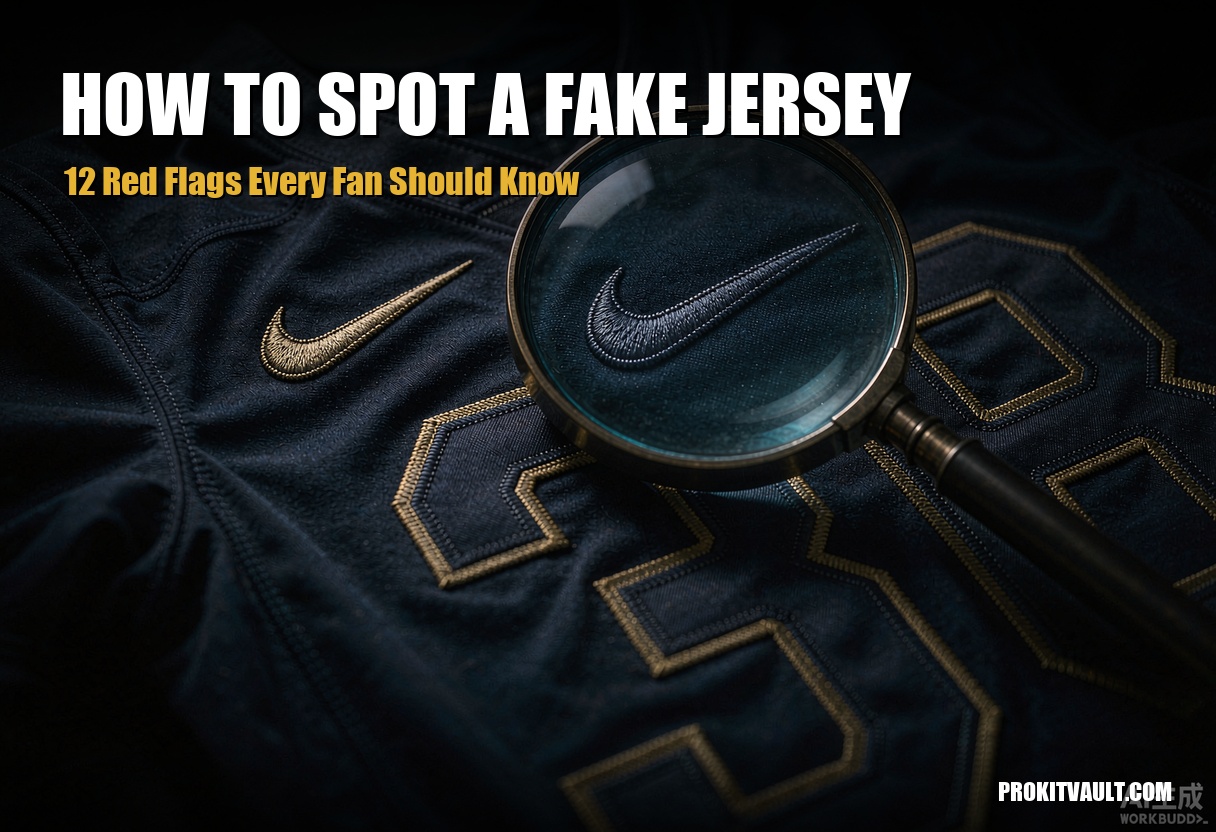
- Printed logos. Real Nike and adidas jerseys use embroidered — stitched — Swooshes and brand marks. If the logo is flat, shiny, or looks like paint, it's printed. This is the single most common fake tell in product photos.
- Misaligned numbers and nameplates. On real jerseys, numbers are perfectly centered and the nameplate sits at a consistent height. Crooked nameplates and off-center numbers are among the most obvious giveaways — zoom into the photo and actually look.
- Uneven sleeve and collar trim. The piping on legitimate jerseys is precisely cut and consistently stitched. Fakes show mismatched colors, uneven trim, and trim that visibly peels in listing photos of worn samples.
- Wrong-size jock tag. The small hem tag is brand-standardized — a specific size and shape with precise text. Counterfeits get the proportions wrong: too large, too small, or with blurred text.
Group 2: catch it in hand
The checks that take 30 seconds once the package arrives:
- Neck tag material. Authentic jerseys use a specific woven fabric tag sewn into the neckline. Stiff, paper-like tags or cheap printed labels that fray after one wash are instant red flags.
- Stitch quality. Run a finger along the numbers and nameplate. Real jerseys have tight, even stitching with no gaps. Loose threads, uneven spacing, or glue residue under the numbers means fake.
- Fabric weight and texture. Authentic Game jerseys use a polyester blend that feels substantial but breathable. Fakes run thinner and shinier — a plastic feel with no moisture-wicking texture.
- Size tag font and format. Nike uses a specific font and sizing format on inner tags. Wrong font, wrong spacing, or a generic-looking tag is a tell — counterfeiters rarely sweat the details you can't see in photos.
- Holographic sticker. Nike and Fanatics jerseys include a holographic sticker on the hang tag. Tilt it — the image should shift. A flat, static print is a fake pretending to be a feature.
- QR or NFC functionality. Newer jerseys include a scannable code that links to the brand's verification page. If it doesn't scan, or redirects anywhere other than the brand's own domain, the jersey is fake — full stop.
Group 3: catch it before you pay
- Price that's too good to be true. Real Authentics retail $300-$400; Limited $135-$185; Game $100-$130. A $45 'Authentic' is not a deal, it's a counterfeit with a countdown timer. Price deviation is the single biggest red flag in the entire market.
- Seller reputation and return policy. Authorized retailers list manufacturer information, offer returns, and maintain a consistent storefront. Anonymous social-media sellers and pop-up sites with no return policy are the primary distribution channel for counterfeits. Buy from sellers whose authentication is their job.
The quick comparison: real vs fake at a glance
| Feature | Authentic jersey | Counterfeit |
|---|---|---|
| Brand logo | Embroidered, raised texture | Printed, flat, shiny |
| Numbers & nameplate | Sewn twill, perfectly aligned | Printed or glued, misaligned |
| Neck tag | Woven fabric, precise font | Paper-like, generic font |
| Fabric feel | Substantial, breathable mesh | Thin, plastic-like, shiny |
| Holographic tag | Image shifts when tilted | Flat, static print |
| Stitching | Even, tight, no loose threads | Uneven, gaps, glue residue |
| QR/NFC verification | Scans to brand site | Dead link or wrong URL |
| Retail price | $100-$400 by tier | Under $50 for 'Authentic' |
What a real jersey actually looks like
The best way to spot a fake is knowing the real thing cold. Four reference examples at four different price points and tiers — this is what legitimate construction looks like when the listing photo can't tell you:
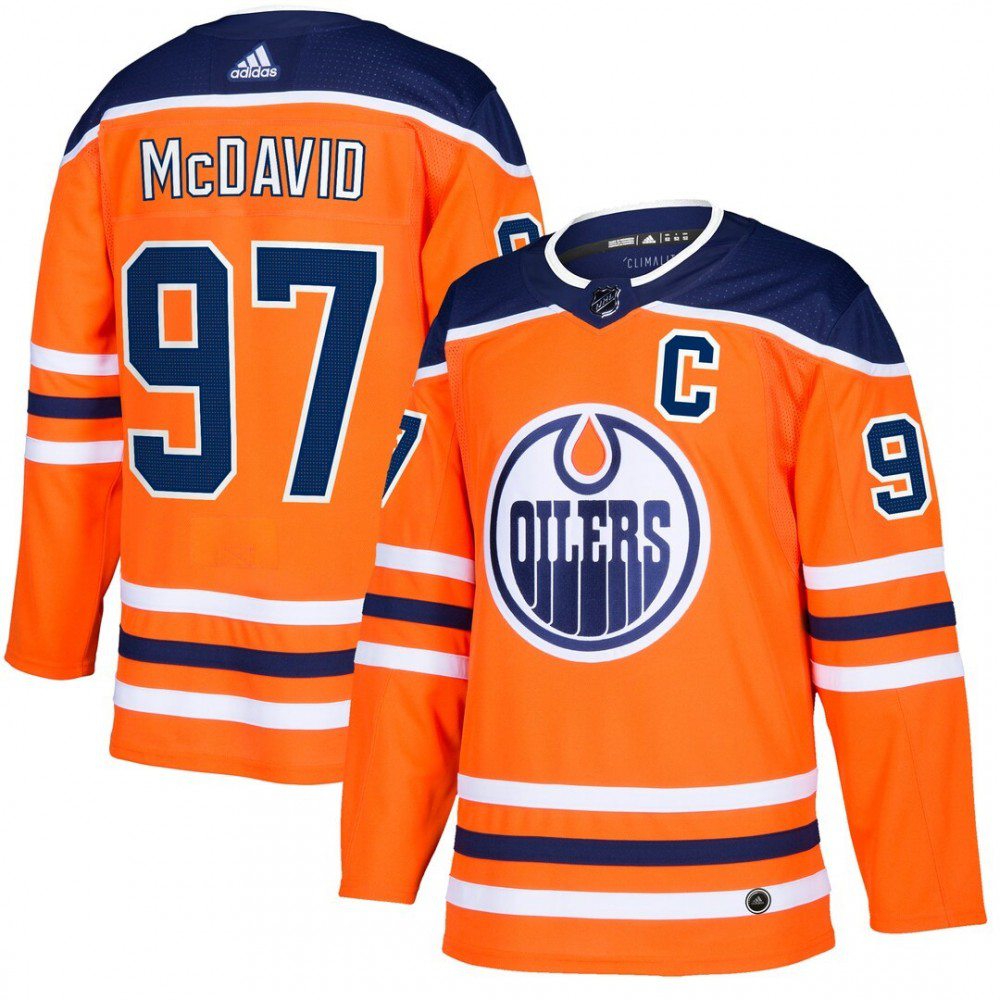
Men's Edmonton Oilers Connor McDavid #97 adidas Orange Alternate Authentic Jersey
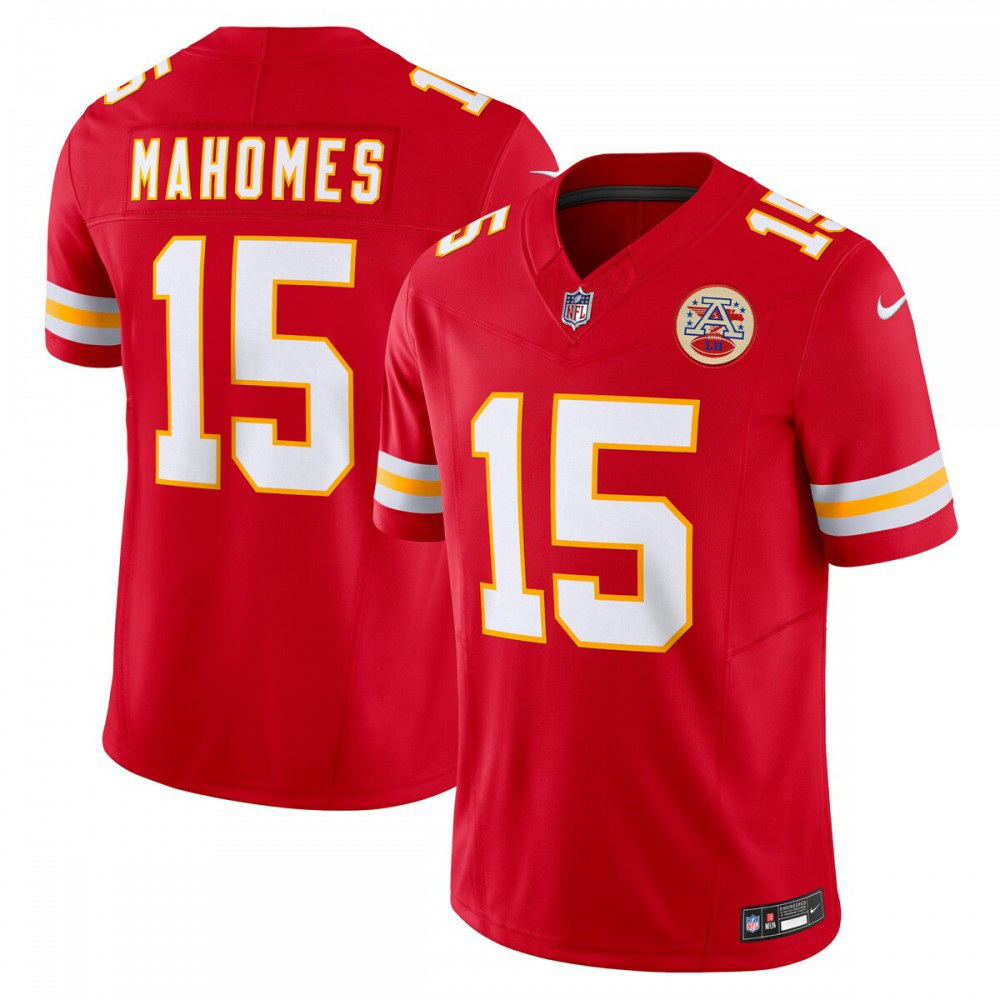
Patrick Mahomes Kansas City Chiefs Vapor F.U.S.E. Limited Jersey - Red
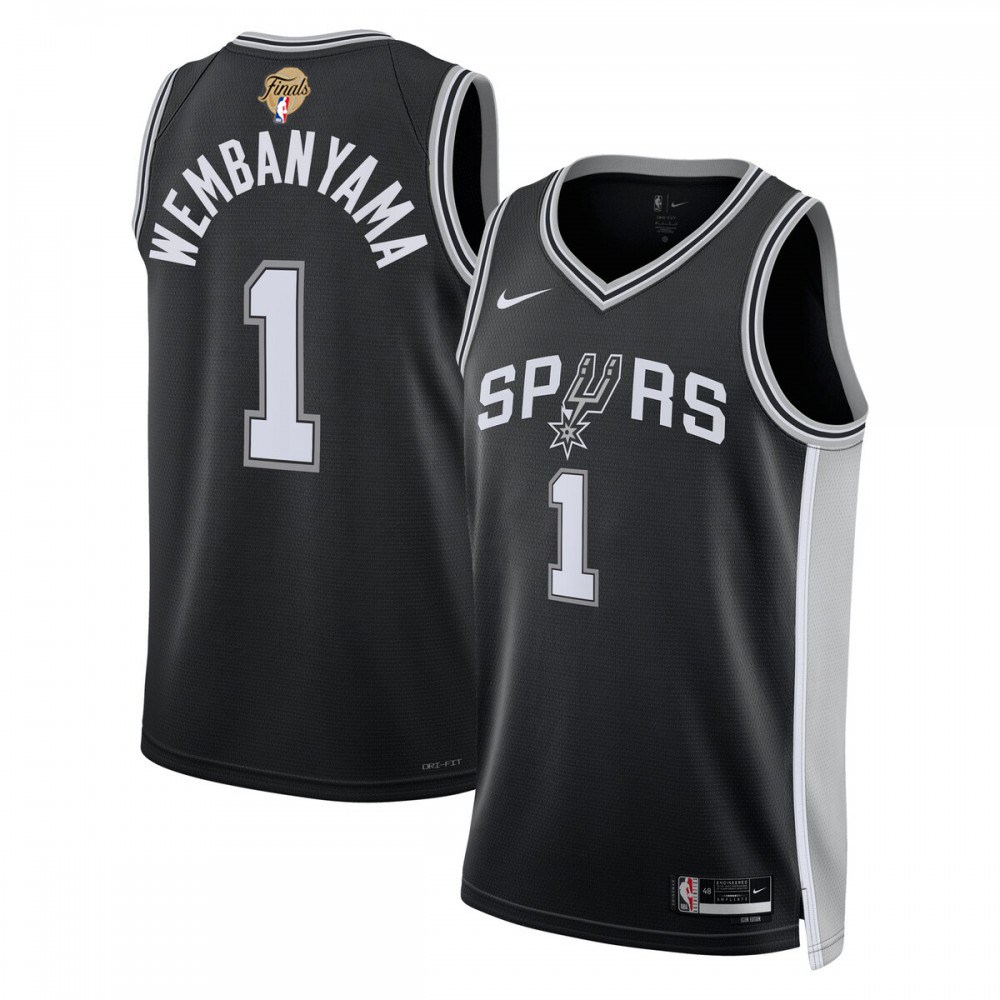
Victor Wembanyama San Antonio Spurs Black Unisex 2026 NBA Finals Patch Swingman Player Jersey - Icon Edition
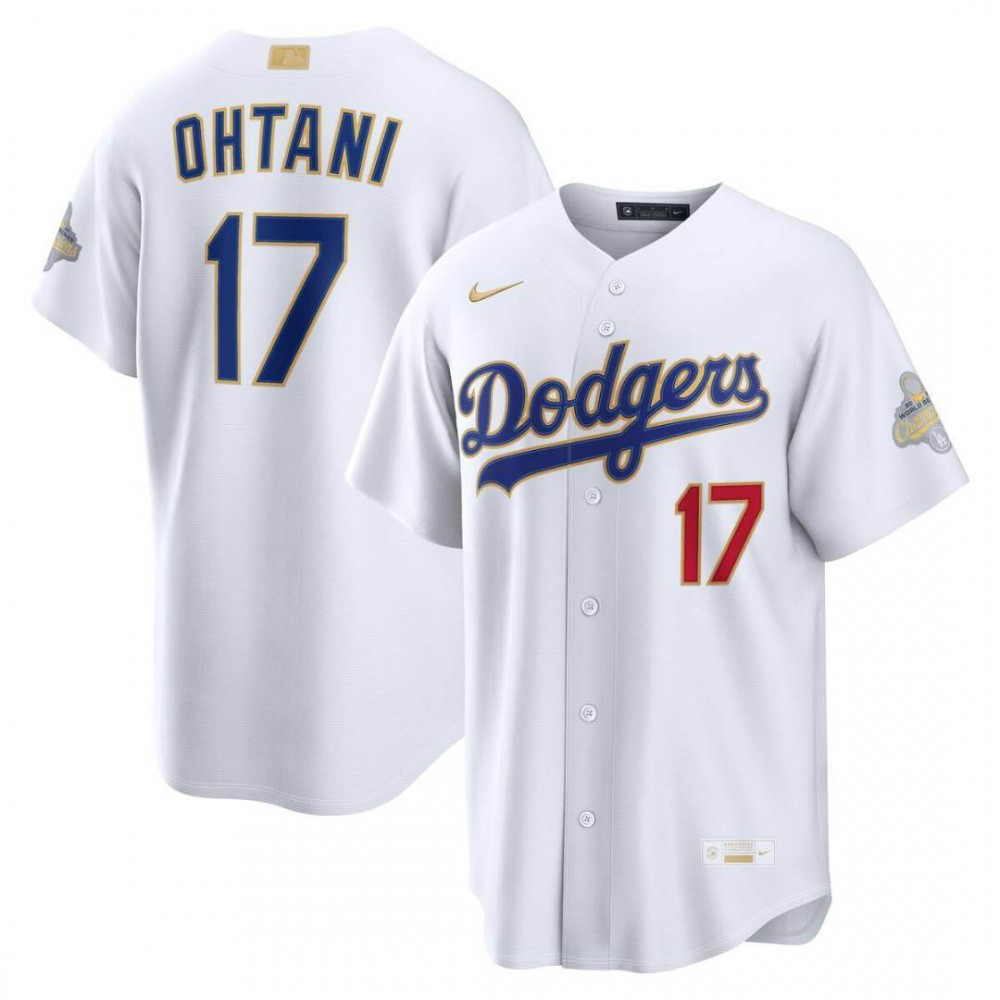
Shohei Ohtani Los Angeles Dodgers 2026 Gold Collection Kanji Stadium Jersey - White
Notice what all four have in common regardless of price: consistent stitching, correct tag construction, and fabric that exists for a reason. Fakes imitate the design; they consistently fail the construction.
If you've already bought a fake
Three steps, in order: dispute the charge with your payment provider — counterfeit goods are grounds for chargebacks on every major network. Report the listing to the platform so the next buyer gets a warning. And don't resell it — passing a counterfeit along, even at a loss, keeps the chain going and exposes you to liability.
Then replace it from an authorized retailer. The point of buying real isn't brand loyalty — it's that authentication, returns, and buyer protection are the seller's responsibility instead of your forensic hobby.
Before you ask — the questions everyone has
Are fake jerseys really that common?
What's the single fastest check?
Do all real jerseys have QR or NFC tags?
Can fakes be sold on big marketplaces?
What should I do if I already bought a fake?
Are retro and throwback jerseys counterfeited too?
What's the single biggest red flag that a jersey is counterfeit?
Can fakes pass a quick visual check from arm's length?
Buy the real thing, skip the forensics
Every jersey at Pro Kit Vault is a fully licensed product from an authorized retailer — manufacturer tags, embroidery, holograms, and returns included. Use code REALDEAL26 for 10% off, and never check a listing photo the same way again.
NFL Jerseys → NBA Jerseys → NHL Jerseys →Part of the Pro Kit Vault knowledge series — see the Every Season Hub for season guides across all six leagues.